
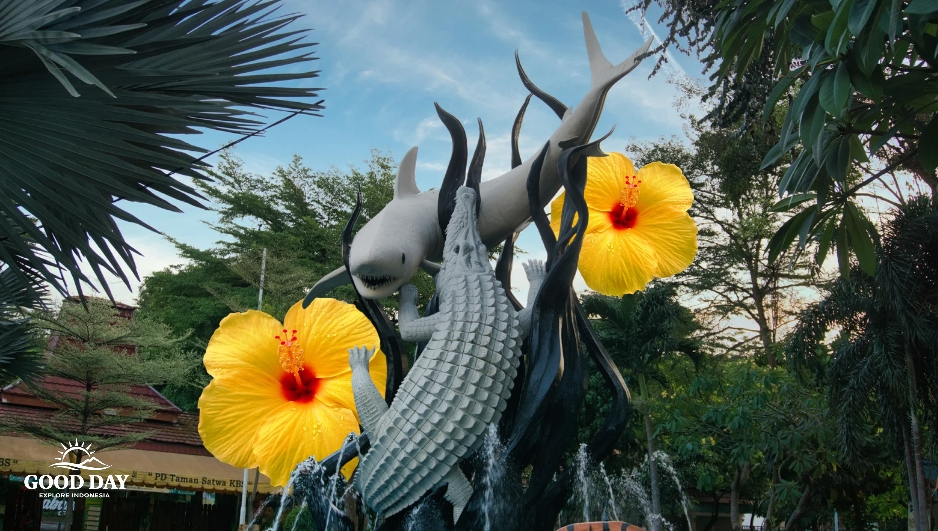
The Battle of Surabaya (10 November 1945) was the largest and bloodiest battle fought after Indonesia proclaimed its independence on 17 August 1945. More than just a military conflict, it became a powerful symbol of Indonesia’s determination to defend its freedom.
The courage shown by the people of Surabaya inspired the nation and drew international attention, leading 10 November to be commemorated every year as Indonesia’s National Heroes’ Day (Hari Pahlawan).
1. The Battle Began with the Hotel Yamato Flag Incident
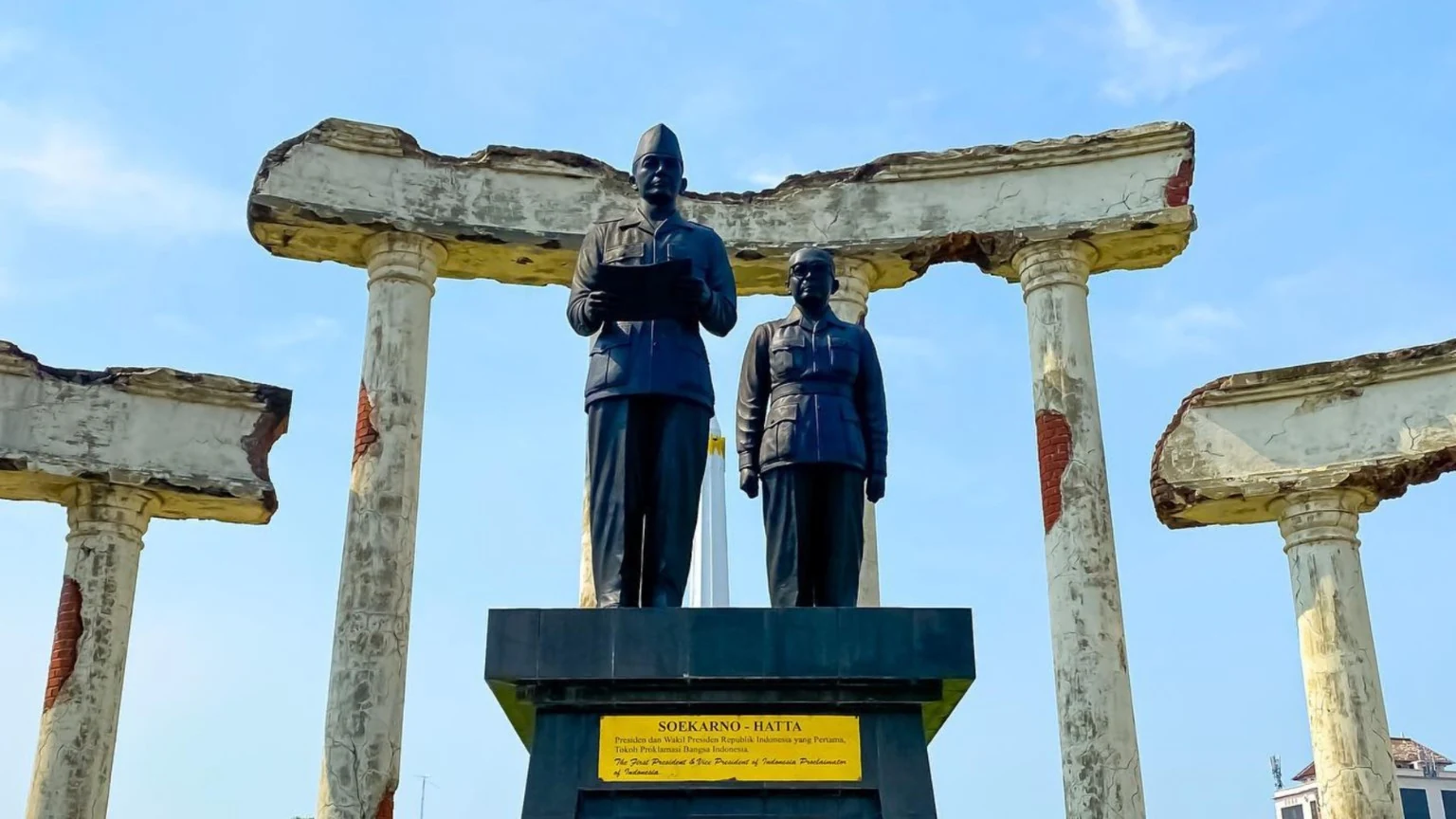
The road to the Battle of Surabaya began on 19 September 1945, when Dutch representatives raised the Dutch flag (red-white-blue) atop Hotel Yamato.
Indonesian youths climbed the building, tore off the blue stripe, and raised the Indonesian Red and White flag. This event became one of the first major acts of resistance against attempts to restore Dutch colonial rule.
At the same time, KH. Hasyim Asy’ari issued the famous Jihad Resolution (Resolusi Jihad), calling on Muslims and Islamic students within approximately 94 kilometers of Surabaya to defend the newly independent Republic of Indonesia.
2. The Death of Brigadier A.W.S. Mallaby Remains Controversial
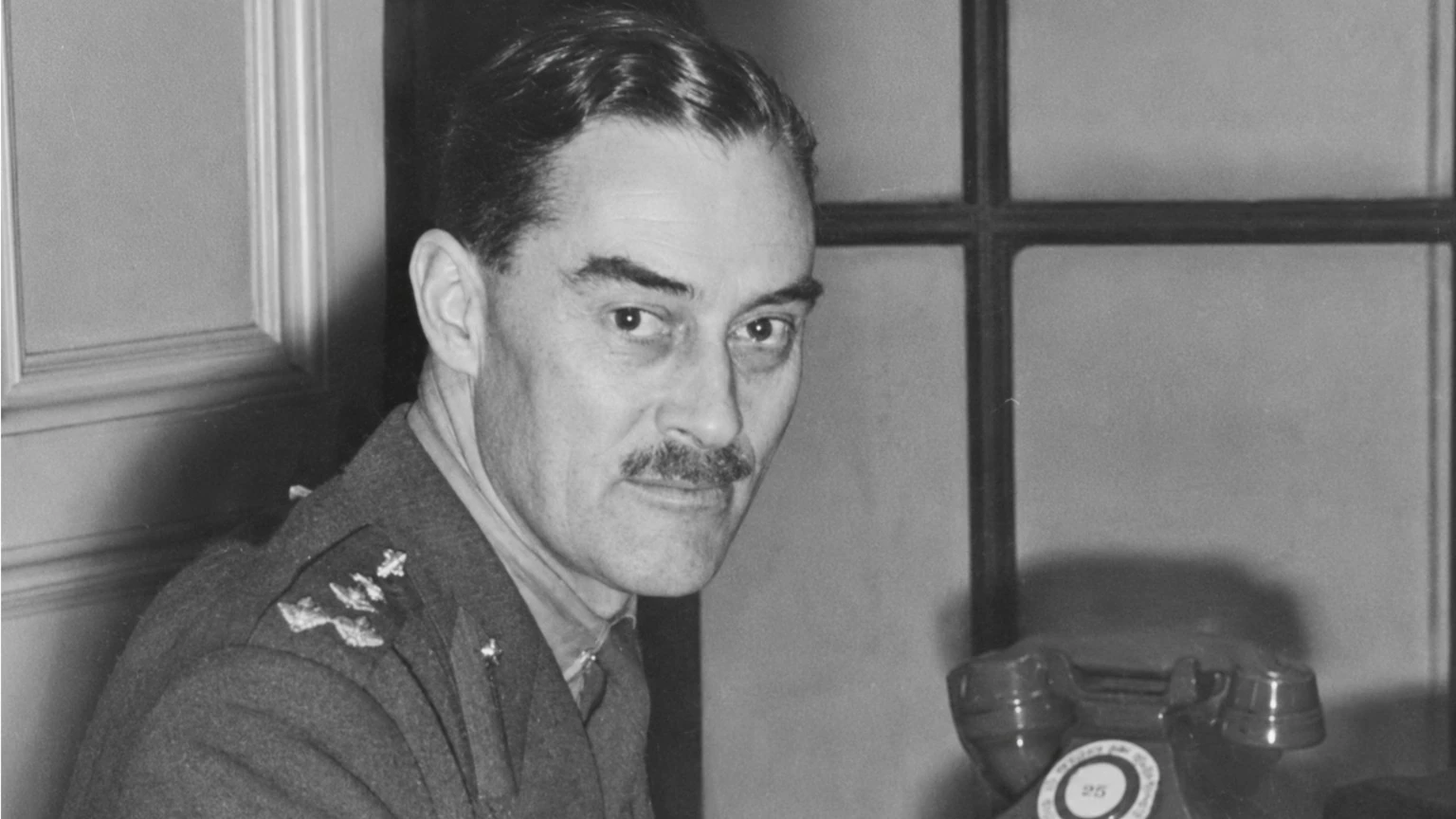
British Brigadier A.W.S. Mallaby was killed on 30 October 1945, an event that dramatically escalated the conflict. The exact cause of his death remains debated.
Some historical accounts state his vehicle was hit by a grenade, while Captain R.C. Smith, who was inside the vehicle, later testified that Mallaby was first shot by an Indonesian youth before a grenade exploded. His death became the immediate trigger for Britain’s full-scale assault on Surabaya.
3. Britain Launched a Massive Military Offensive
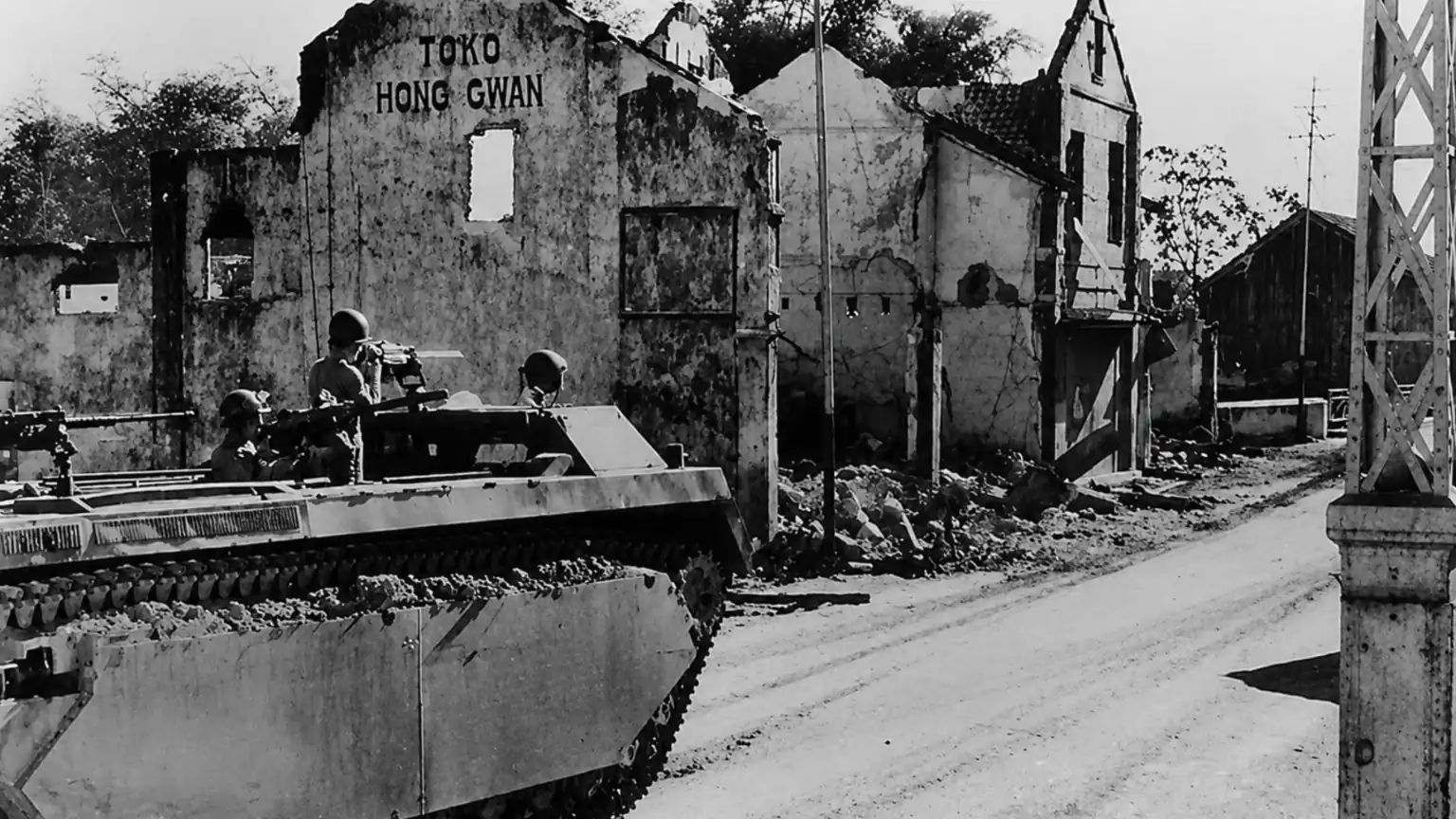
Following Mallaby’s death, Lieutenant General Sir Philip Christison ordered a large-scale military operation.
British forces deployed:
- Additional Indian Gurkha brigades
- Sherman and Stuart tanks
- Cruiser and destroyer warships
- Air support and heavy artillery
Before attacking, Britain dropped leaflets demanding Indonesian fighters surrender their weapons. The ultimatum was rejected.
4. Indonesian Fighters Were Outnumbered but Never Surrendered
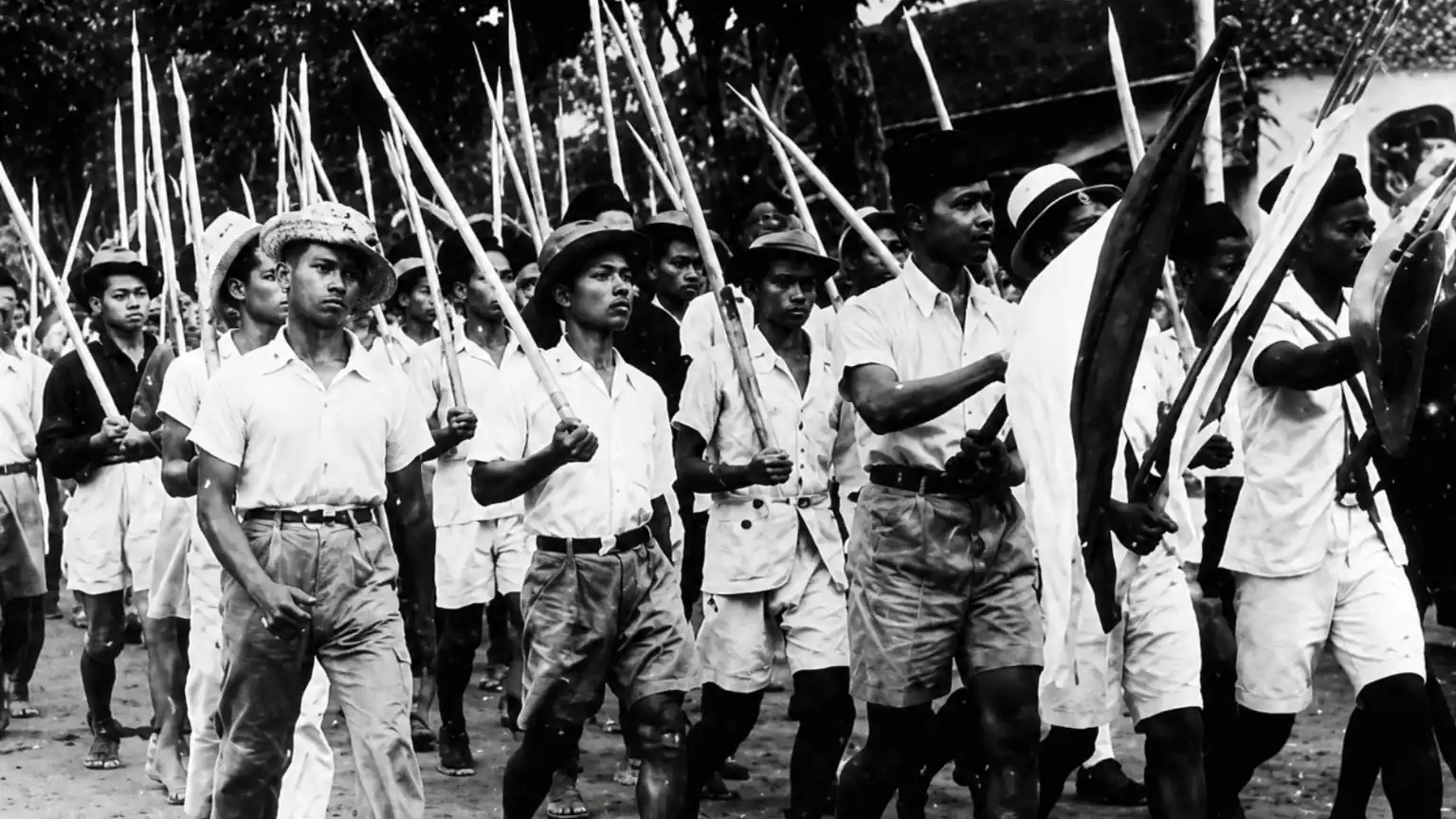
Indonesia fielded around 20,000 soldiers, supported by nearly 100,000 volunteers, including members of Hizbullah, Sabilillah, students, Islamic boarding school communities, and civilians.
Many had little military experience and relied on captured Japanese weapons, yet they continued fighting despite overwhelming odds.
5. The Battle Caused Massive Casualties
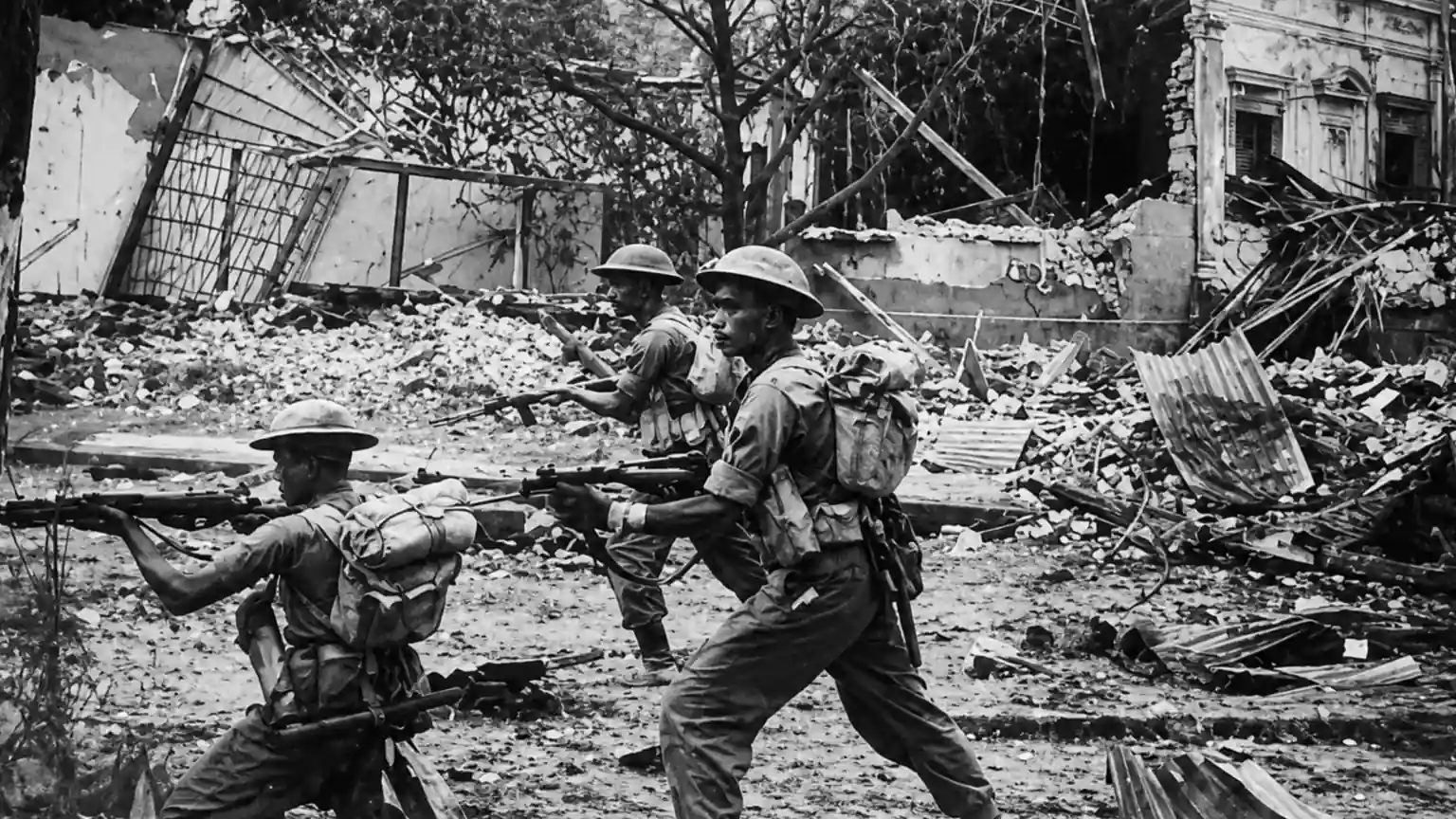
The Battle of Surabaya became one of the deadliest battles in Indonesia’s independence movement.
Historical estimates suggest:
- Around 15,000–16,000 Indonesians were killed.
- Between 295 and 2,000 British and Allied troops died, depending on historical sources.
- Approximately 200,000 civilians fled Surabaya during the fighting.
6. K’tut Tantri Helped Bring International Attention
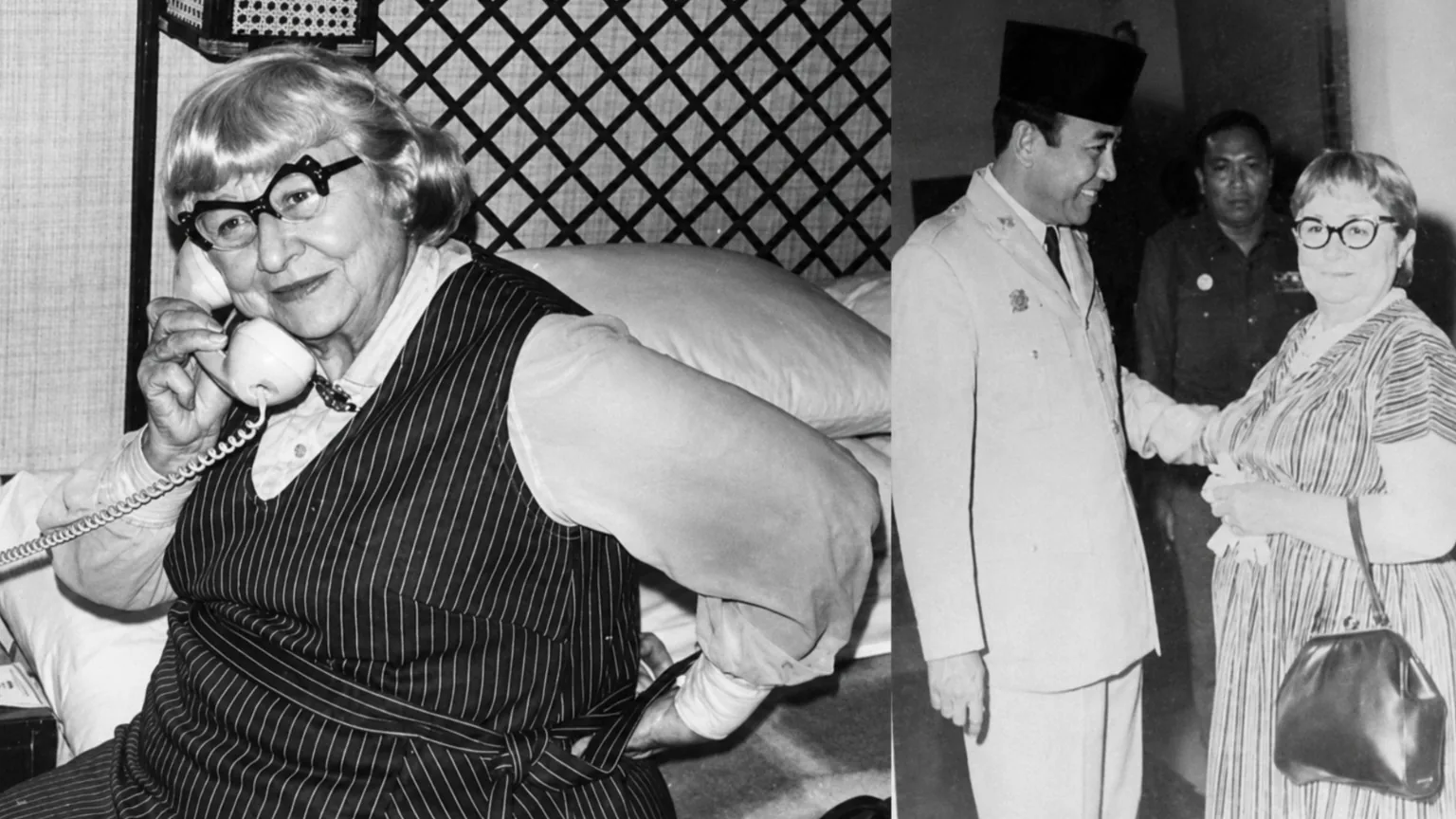
One remarkable figure was K’tut Tantri, a Scottish-American woman who supported the Indonesian independence movement.
Working alongside Bung Tomo, she helped operate a secret radio station broadcasting Indonesia’s struggle to the international community.
According to her memoir Revolt in Paradise, she also communicated with representatives from several foreign countries, encouraging international pressure for a ceasefire.
7. The Battle Changed International Opinion
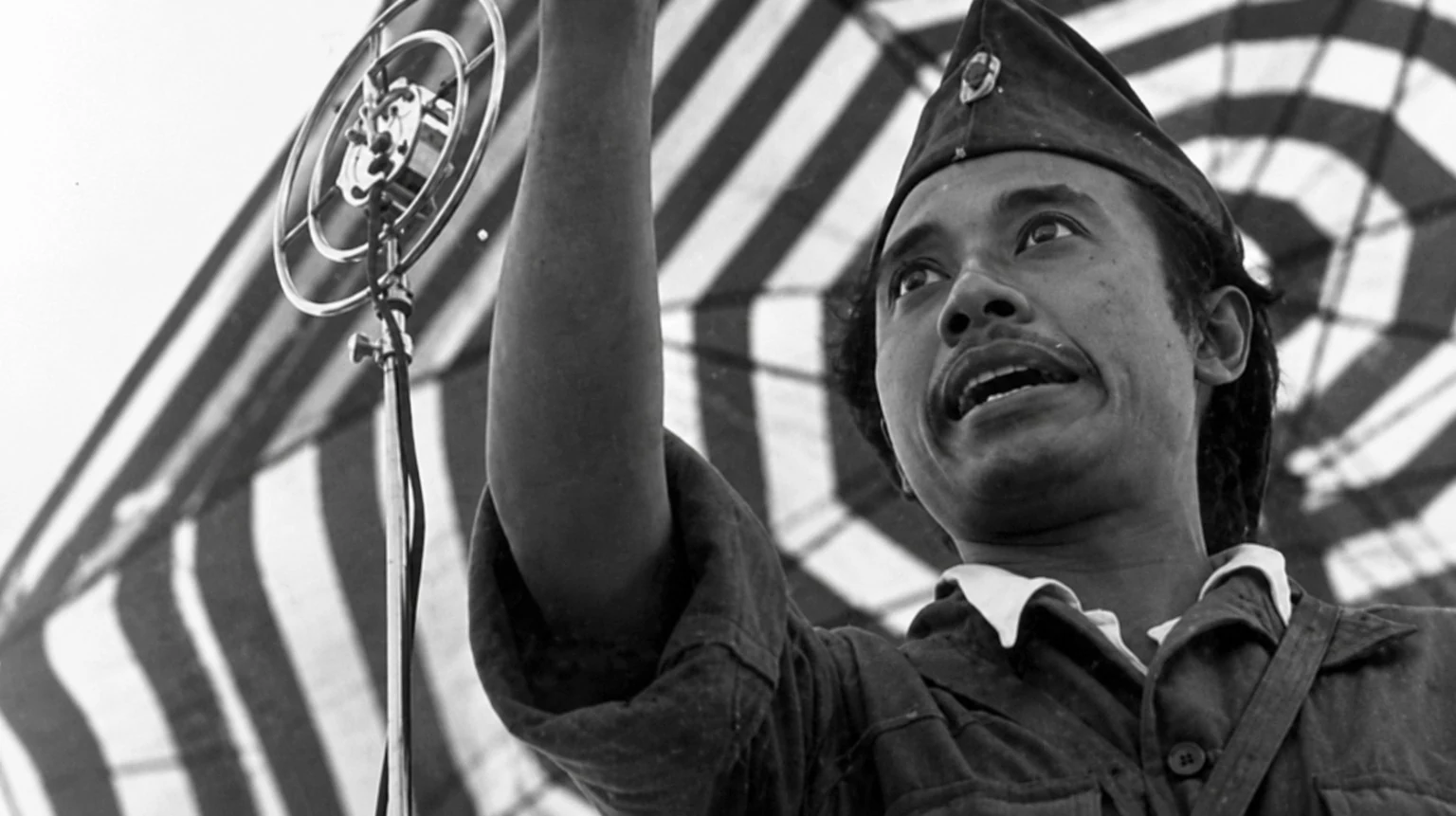
Although Britain won control of Surabaya militarily, the fierce resistance demonstrated that Indonesians would not willingly return to colonial rule.
The Battle of Surabaya strengthened international recognition of Indonesia’s independence movement and became an important milestone in gaining global support for the Republic of Indonesia.
Today, the battle remains one of the defining moments in Indonesian history.